%2Ffit-in%2F250x250%2Fguide_websites%2F122489%2Fimages%2F1774916860889maggiewoodnewlogo.jpeg&w=1200&q=100)
%2F%2Fusers%2F12526af2-5b14-4b57-bd8c-6adcc93ce69e%2Fratecard%2Fmw2-1-mnduwaq9.jpeg&w=1200&q=75)
Women-Only Wade Fishing Adventure in North Carolina
Picture this: you're standing knee-deep in the crystal-clear waters of Hanging Rock Lake, surrounded by nothing but rolling North Carolina hills and the gentle sound of water moving over rocks. This isn't just another fishing trip—it's your chance to connect with the outdoors alongside other women who get it. Our half-day shared wade fishing experience creates the perfect space for ladies to learn, laugh, and land some serious fish without any of the intimidation factor you might find in mixed groups. Whether you've never held a rod or you're looking to sharpen your skills, this 4-hour adventure puts you right where the action is.
What to Expect on the Water
From the moment you meet up with your guide, you'll know you're in for something special. This women-only trip takes place across two of North Carolina's most productive fishing spots—Hanging Rock Lake and the Dan River. Both locations offer that perfect combination of accessible wading and consistent fish activity that keeps everyone engaged. The shallow waters make it comfortable for beginners while still providing plenty of challenge for more experienced anglers. Your guide knows these waters like the back of her hand and will position your group in the sweet spots where trout and sunfish love to hang out. The relaxed, supportive atmosphere means you can ask questions, try new techniques, and celebrate every catch without feeling rushed or judged. Plus, with just you and your guide, you'll get personalized attention that's hard to find on bigger charter trips.
Wade Fishing Basics & Gear
Wade fishing is hands-down one of the most rewarding ways to target freshwater species, and these North Carolina waters are perfect for it. You'll be walking right into the fish's living room, reading the water like a pro, and presenting flies in the most natural way possible. Your guide provides everything you need—quality waders to keep you dry and comfortable, a selection of proven flies that work in these specific waters, and all the terminal tackle. The technique focuses on reading water currents, understanding where fish like to hold, and presenting your fly with just the right amount of finesse. Don't worry if you've never fly fished before; the guide will start with the basics and have you casting like you've been doing it for years. The Dan River's flowing sections teach you to work with current, while Hanging Rock Lake's calmer areas let you focus on presentation and accuracy.
Species You'll Want to Hook
Rainbow Trout are the stars of the show here, and for good reason. These beauties are active year-round in North Carolina's cooler waters, but spring through fall offers the best action. Rainbows in these waters typically run 10-14 inches, with some pushing closer to 16. They're aggressive feeders and will hit everything from nymphs to dry flies, making them perfect for anglers of all skill levels. What makes catching rainbows so special is their fight—they'll jump, run, and give you every bit of energy they've got. The colors on these fish are absolutely stunning, especially the males during spawning season.
Brown Trout bring a different kind of excitement to the mix. These smart, wary fish are the ultimate challenge, often hiding in deeper holes and under cut banks during the day. Browns can grow much larger than rainbows in these systems, with 18-20 inch fish being caught regularly by those who know where to look. They're most active during low-light conditions, but a skilled guide knows how to tempt them even in bright sunlight. Landing a brown trout always feels like an accomplishment because you've outsmarted one of the craftiest fish in freshwater.
Redear Sunfish might not get the same press as trout, but they're absolute blast to catch on light tackle. These scrappy panfish are most active during their spring spawn when they move into shallow water to build beds. Redears fight harder than you'd expect for their size, and they're beautiful fish with their distinctive red-orange ear flaps. They're also excellent eating, making them a favorite among anglers who like to take a few home for dinner. The key to consistent redear action is understanding their seasonal patterns and presenting small flies or lures right in their feeding zones.
Time to Book Your Spot
This half-day wade fishing adventure delivers everything you want from a North Carolina fishing experience—world-class scenery, consistent action, and the kind of supportive environment that turns good days into great memories. With all gear provided and expert guidance every step of the way, all you need to bring is your fishing license and sense of adventure. The combination of Hanging Rock Lake and Dan River access means you'll experience different types of water and fishing techniques in one trip. Most importantly, you'll be part of a women-only group that celebrates every success and supports every challenge. Don't let another season pass without experiencing some of the best freshwater fishing North Carolina has to offer. Book your spot today and get ready to discover why wade fishing with Girls Gone Fishing has become the top-rated women's fishing experience in the region.
Learn more about the species
Brown Trout
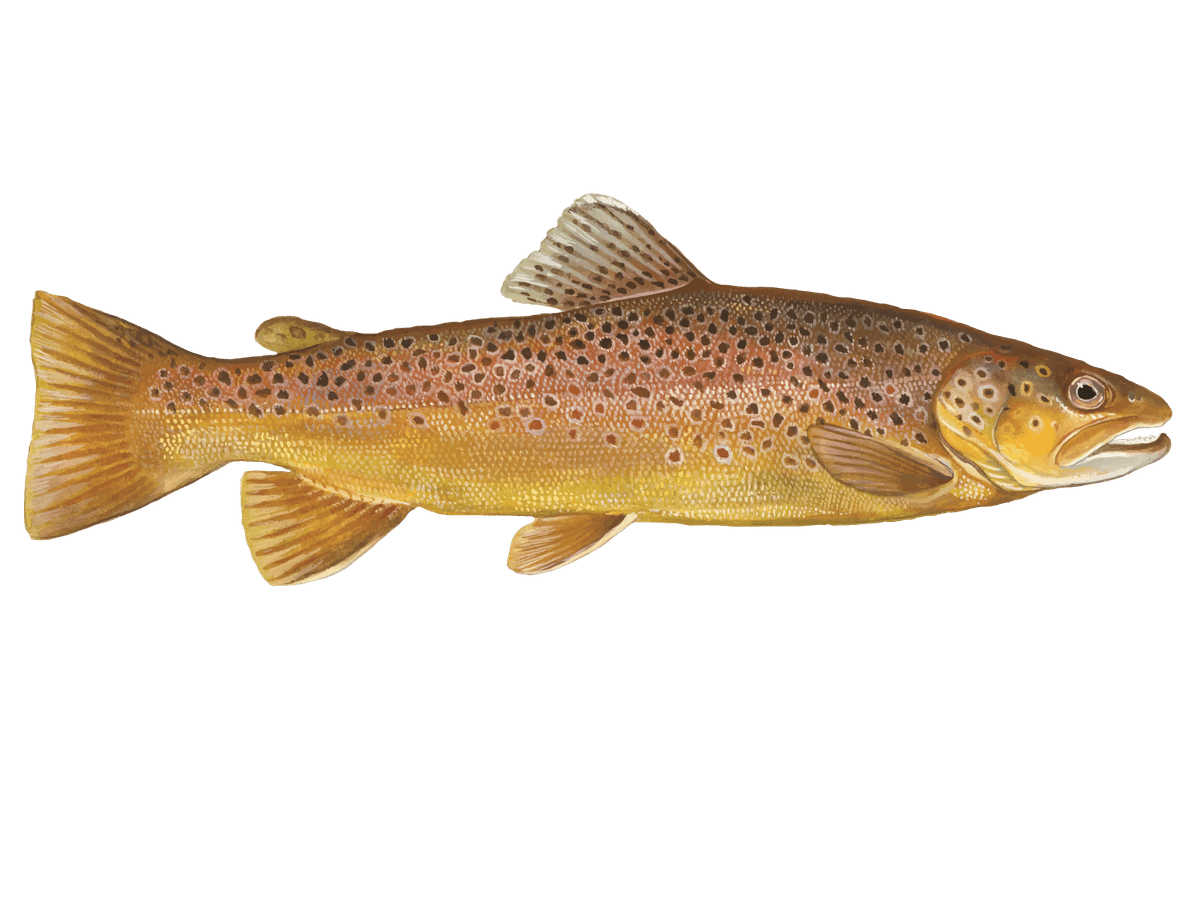
Browns are the smart, wary veterans of the trout world - golden-brown backs with black spots and that telltale red adipose fin. These European natives have adapted perfectly to our waters and typically range 10-20 inches, with some real bruisers pushing much larger. They're homebodies that love deep pools, undercut banks, and any structure that offers cover during the day. Fall is magic time when they get aggressive before spawning, but they'll feed year-round if conditions are right. What makes browns special is their intelligence - they're the hardest trout to fool, which makes landing one feel like a real accomplishment. The fighting ability is legendary, and the meat is top-shelf eating. They prefer cooler water between 54-65°F and often feed heavily at dawn and dusk. Local tip: browns are night hunters, so don't overlook fishing after dark with streamers near deep banks - that's when the big ones come out to play.
Rainbow Trout
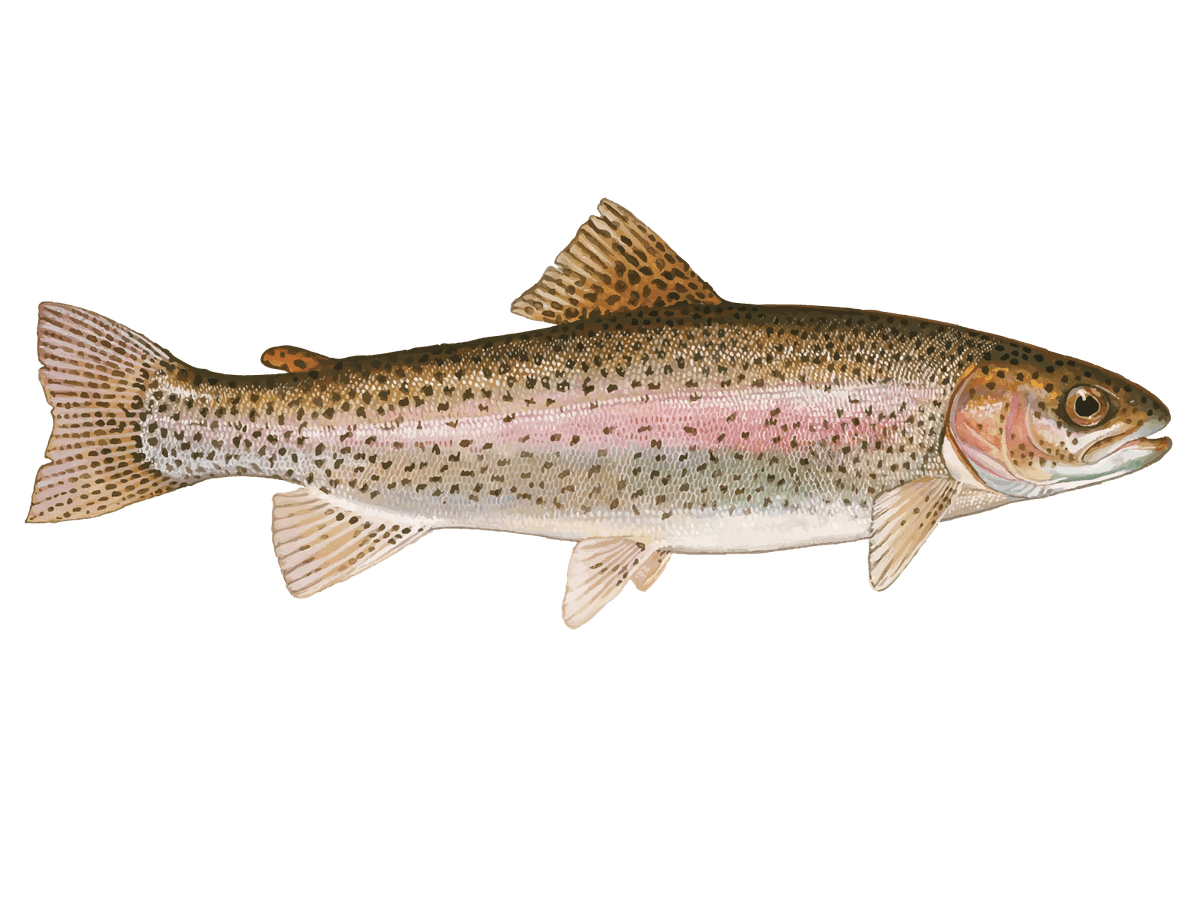
These beautiful fish are what most folks picture when they think trout - silver bodies with that signature pink stripe and black spots scattered across their sides. In our North Carolina waters, rainbows typically run 8-16 inches and put up a solid fight with some nice aerial displays. They love cool, clean water between 55-65°F, so you'll find them in deeper pools during summer and shallower runs when it's cooler. Spring and fall are prime time when they're most active and feeding heavily. What guests really enjoy is how responsive they are to flies - they're not too picky, making them perfect for learning. The meat is excellent eating with that classic trout flavor. Here's a tip: watch for rising fish near rocky areas where current breaks - that's where they're picking off insects, and a well-placed dry fly will often get their attention.
Redear Sunfish
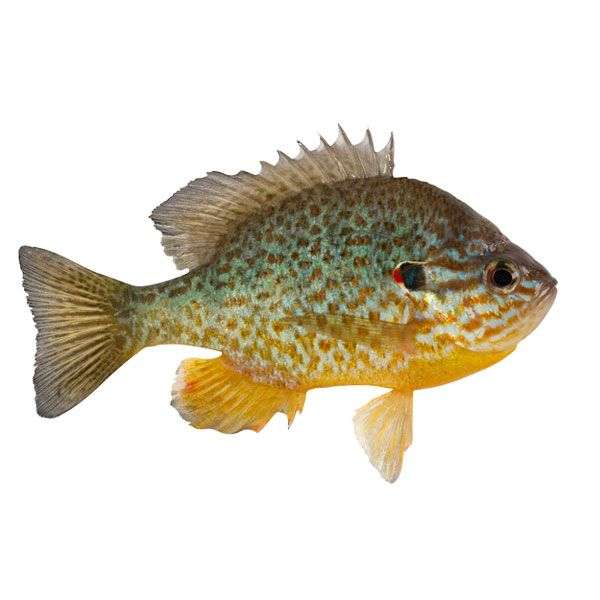
Redear sunfish, or "shellcrackers" as many call them, are the bigger, smarter cousins of bluegill. You can spot them by that distinctive orange-red patch behind their gill plate. They typically run 6-10 inches but can get surprisingly hefty - some push over a pound. These bottom-feeders love hanging around structure like fallen logs, vegetation, and rocky areas where they hunt snails and small shellfish with their specialized crushing teeth. Late spring into early summer is prime time when they're spawning in shallow beds. What guests love about redear is they're not shy about taking bait and provide a decent fight for their size. They're excellent eating too - sweet, white meat that's hard to beat. Here's the trick: since they feed on the bottom, let your bait sink and stay patient. A small piece of nightcrawler on a light sinker near structure is hard to beat.
Sea Trout
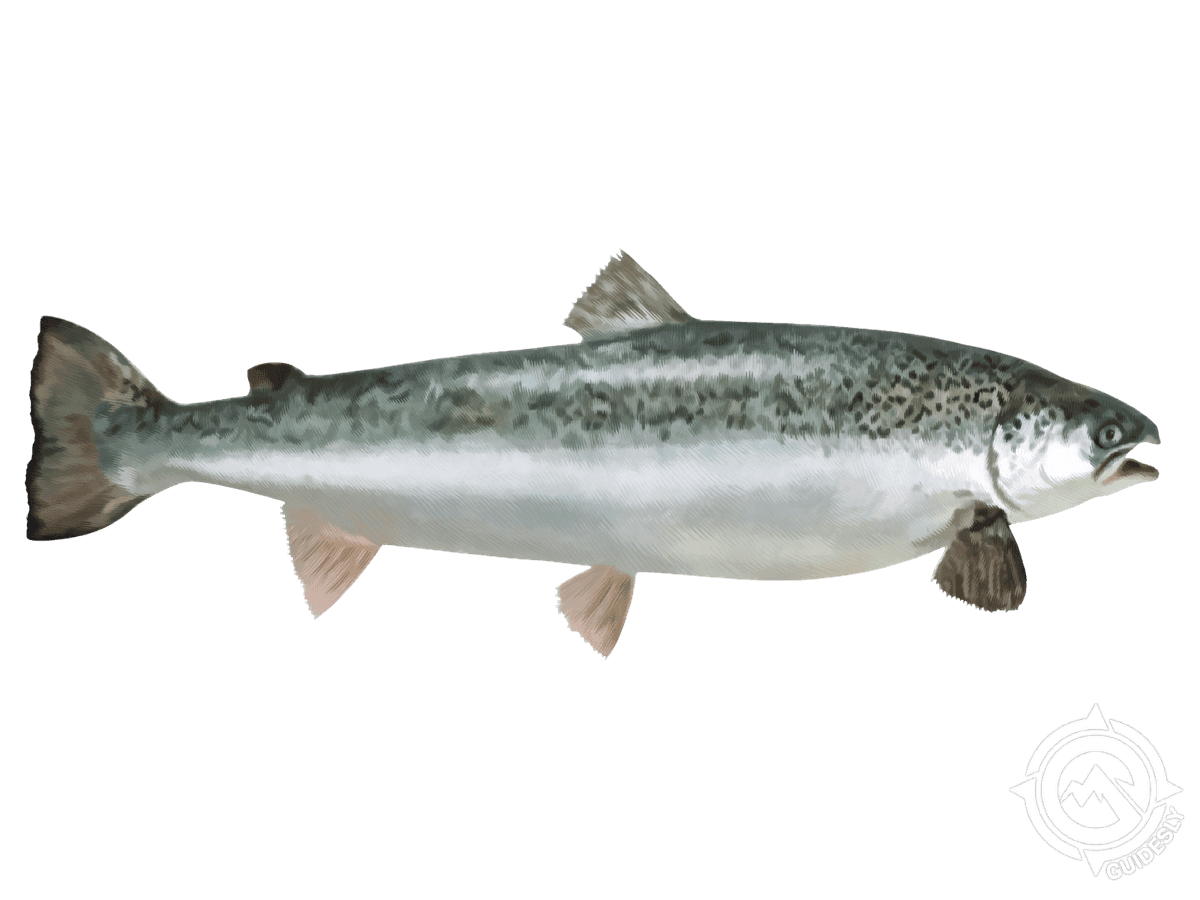
Sea trout are the silver cousins of brown trout, with that sleek, torpedo-shaped body covered in dark spots. These anadromous fish move between salt and fresh water, but in our area you'll encounter them during their freshwater phase. They typically range 14-24 inches and average 2-4 pounds, though some can push much larger. Look for them in deeper pools and slower sections where they can ambush prey like small fish and crustaceans. Fall and early winter are peak times when they're preparing to spawn and feeding aggressively. What makes them special is their strong fighting ability - they're powerful fish that will test your skills. The meat is fantastic, with a delicate flavor that's less oily than salmon. Pro tip: they're often spookier than other trout, so approach quietly and use longer leaders. Early morning and evening are your best bet when they're actively hunting.